What Is Pan de Muerto?
Pan de Muerto (Bread of the Dead) is an ancient Mexican ritual sweet bread baked in late October and early November in honor of deceased ancestors during Día de los Muertos. It is both placed upon the family ofrenda (memorial altar) and shared among living family members alongside hot chocolate.
Anatomy of the Loaf: Bones & Tears
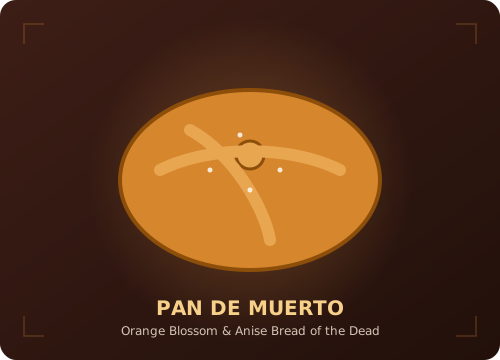
Each round loaf crafted at El Gallo Bakery is infused with delicate orange blossom water (agua de azahar), orange zest, and anise seeds. The dough sculpture atop the loaf carries profound spiritual symbolism:
- The Central Dome (El Cráneo): The small round dough sphere at the apex symbolizes the skull.
- Crossed Ribbons (Los Huesos): Four dough strips extending down the sides symbolize human bones and the tears shed for the departed, arranged in the four cardinal directions of the universe.
- The Circular Base: Represents the continuous circle of life and death.
- Sugar Dusting: Fine white granulated sugar symbolizing sweetness and the joy of remembrance.
Altar Placement Guidance
Place your Pan de Muerto on the central level of your family altar alongside yellow cempasúchil (marigolds), copal incense, salt, and a glass of water to welcome the returning spirits.
Related Reading: What Is Pan de Muerto? History & Symbolism • Adorning an Authentic Altar • Pair with Champurrado